
When Is the Next Crypto Bull Run: 2026 Guide
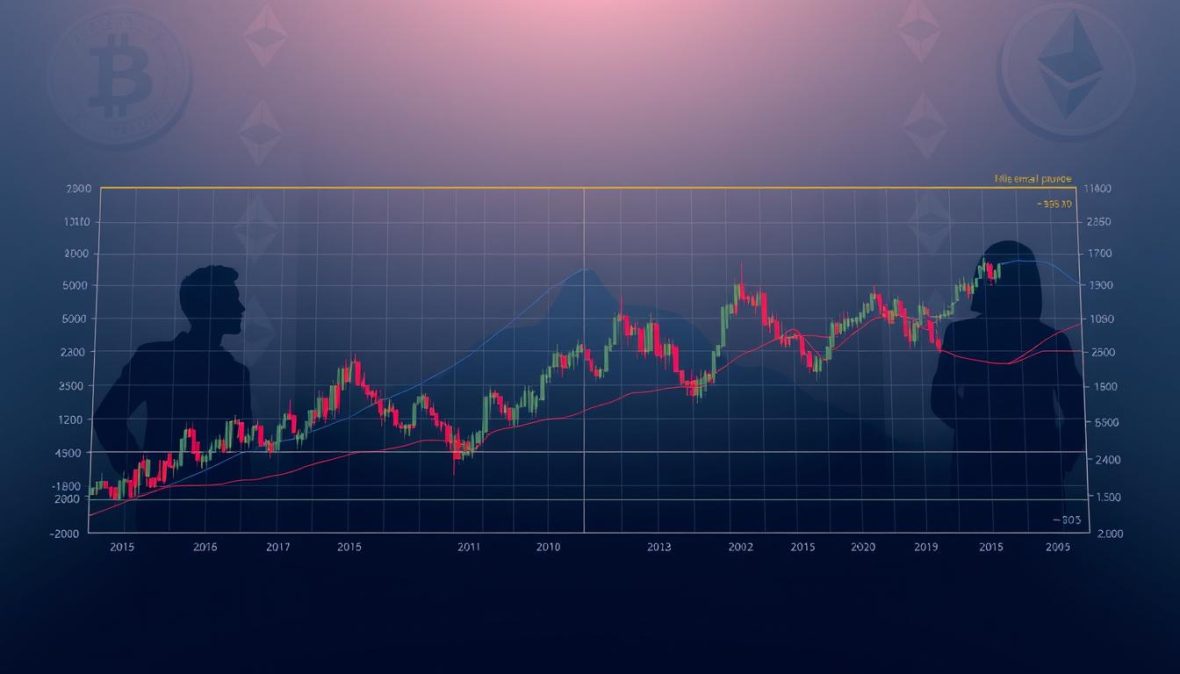
Here’s something that surprised me: only 22% of Bitcoin holders made money during the 2021 peak. They didn’t understand market cycles. I’ve watched three major cycles now. That statistic shows why timing matters in digital assets.
Everyone’s asking when is the next crypto bull run, and I get it. Here’s what I’ve learned—nobody has a crystal ball. Not the analysts, not the influencers, definitely not me.
What we can do is read the patterns. I’ve spent years tracking cryptocurrency market cycle predictions. I watch how Bitcoin halving events play out. I study what happened before those massive peak periods.
This guide walks you through everything I’ve observed about market indicators. We’ll look at historical data and expert forecasts. We’ll explore practical strategies too.
The 2026 timeframe keeps coming up in discussions. Several factors could push that date forward or backward.
My goal here isn’t to promise you exact dates. It’s to help you understand what drives these cycles. You can make informed decisions rather than emotional ones.
Key Takeaways
- Understanding market cycles matters more than attempting to predict exact timing for price movements
- Historical patterns show Bitcoin halving events typically precede major rallies by 12-18 months
- Multiple indicators work together to signal potential market shifts rather than single factors
- The 2026 timeframe for major movement depends on regulatory developments and institutional adoption rates
- Personal strategy and risk management outweigh trying to time perfect entry points
- Previous cycles demonstrate that emotional decisions during peak periods cost investors significant returns
Understanding Bull Markets in Cryptocurrency
You’ve probably heard people say “bull market” without explaining what it means. I’m talking about real bull markets—not just Bitcoin jumping 15% because Elon tweeted something. Understanding these cycles has become essential for anyone trying to make sense of 2026.
Crypto moves differently than traditional markets. The patterns repeat, but each cycle brings its own flavor.
What Actually Defines a Bull Market
A bull market in cryptocurrency isn’t just prices going up. It’s a sustained period of upward momentum with specific characteristics. These characteristics separate real trends from temporary pumps.
A genuine bull market includes sustained gains of at least 20% from recent lows. But that’s just the starting point. You’ll see higher highs and higher lows forming consistently—what technical analysts call an uptrend structure.
Here’s what I look for when identifying a real bull market:
- Increasing trading volume across multiple exchanges
- Growing market capitalization for both Bitcoin and altcoins
- Mainstream media coverage intensifying
- New retail investors entering the space
- That unmistakable FOMO energy building in communities
The last point might sound subjective, but trust me—you feel it. Your coworkers suddenly want to talk about crypto. Your uncle asks about Bitcoin at Thanksgiving.
Bull markets are born on pessimism, grow on skepticism, mature on optimism, and die on euphoria.
Modern crypto market analysis trends focus heavily on these psychological markers. The emotional cycle matters just as much as the price action.
How Crypto Cycles Have Evolved Over Time
Cryptocurrency has a unique rhythm that doesn’t exist in traditional finance. The pattern roughly follows Bitcoin’s halving events. These programmed scarcity increases occur approximately every four years.
The 2013 bull run was crypto’s first major awakening. Bitcoin went from around $13 to over $1,100 in less than a year. It was wild, unregulated, and mostly unknown outside tech circles.
Then came 2017—the year that changed everything. Bitcoin hit nearly $20,000, and suddenly everyone knew about cryptocurrency. ICOs raised billions.
The blockchain bull run indicators during this period showed exponential growth. Wallet creation and exchange signups skyrocketed.
The 2020-2021 cycle brought something different: institutional money. Companies like MicroStrategy and Tesla bought Bitcoin. Major banks that once dismissed crypto started offering custody services.
This run peaked with Bitcoin above $69,000 in November 2021.
Each cycle has lasted longer and reached higher than the previous one. But the percentage gains have decreased. Bitcoin’s 2013 run multiplied prices by roughly 85x, while 2017 saw about 20x.
The 2020-2021 cycle delivered around 10x from cycle lows.
Market maturity has changed the game. Early cycles were driven purely by retail speculation. Now we’re dealing with institutional investors, regulatory frameworks, and sophisticated trading infrastructure.
The crypto market analysis trends show this evolution clearly. Volatility has decreased somewhat, though it’s still extreme compared to traditional assets.
The blockchain bull run indicators we track today are more nuanced. We watch on-chain metrics, institutional adoption rates, regulatory developments, and macroeconomic factors. It’s not just about hype anymore—though hype still plays its role.
Understanding this historical context matters because it shapes our expectations for 2026. We’re not going to see another 85x run. The market has grown too large.
But the cyclical pattern continues. Recognizing where we are in that cycle gives us an edge.
Key Indicators of a Bull Run
Predicting the crypto market recovery timeline requires concrete data points. Social media hype and gut feelings often lead to poor decisions. The blockchain bull run indicators I’ll share have proven themselves across multiple market cycles.
Understanding these indicators isn’t about achieving perfect timing—that’s impossible. It’s about improving your odds and making informed decisions. Use actual market data rather than speculation.
Reading the Market’s Emotional Temperature
Market sentiment analysis has become one of my go-to tools for gauging cycle positions. The Crypto Fear and Greed Index measures market emotions on a scale. It ranges from 0 (extreme fear) to 100 (extreme greed).
Extreme fear readings below 20 often coincide with market bottoms. Extreme greed above 80 frequently signals we’re approaching a top. These extremes can persist longer than you’d expect.
Beyond the Fear and Greed Index, I track several other sentiment sources:
- Google Trends data for cryptocurrency-related searches—search volume typically spikes during bull runs
- Social media sentiment tracking through tools like LunarCrush or Santiment
- Reddit and Twitter activity in crypto communities—when your non-crypto friends start asking about Bitcoin, we’re probably late-stage
- News sentiment analysis that measures positive versus negative media coverage
The tricky part about sentiment is that it’s a contrarian indicator. Everyone’s fearful often means the best buying opportunity. When everyone’s euphoric and posting moon memes, that’s when I start getting nervous.
Volume Tells the Real Story
Trading volume trends have taught me one crucial lesson: volume precedes price. Consistent volume increases across major exchanges suggest real buying pressure. Low-liquidity pumps can reverse quickly.
I pay attention to volume patterns across different timeframes. A single day of high volume doesn’t mean much. Sustained volume growth over weeks indicates genuine market participation.
The on-chain metrics I’ve found most useful include:
- Exchange inflows versus outflows—when more crypto moves off exchanges into private wallets, it suggests holders are accumulating for the long term
- Whale wallet activity—large holders’ behavior often precedes major moves, though tracking this requires specialized tools
- Active addresses—increasing network activity shows growing adoption and usage
- Transaction volume—higher on-chain transaction values indicate real economic activity
One pattern I’ve noticed: exchange outflows increase while prices stay relatively flat. This often precedes significant upward movement. It means smart money is accumulating while retail investors remain skeptical.
Volume analysis isn’t foolproof, though. Sometimes high volume just means traders are panicking. That’s why I combine volume data with other blockchain bull run indicators.
Technical Patterns That Actually Work
Price action and moving averages have been part of trading for decades. They work in crypto too—though with more volatility than traditional markets. The technical indicators I’ve found most reliable are surprisingly simple.
The 200-day and 50-day moving averages serve as my primary trend indicators. Bitcoin’s price staying above its 200-day moving average means generally bullish territory. Falling below means bearish.
The golden cross pattern—when the 50-day MA crosses above the 200-day MA—has historically signaled major bull runs. Conversely, the death cross marks bear market confirmations. These patterns confirm trend changes that are already underway.
Support and resistance levels matter more than most traders realize. I track:
- Previous all-time highs that often become psychological barriers
- Major round numbers like $30,000 or $50,000 for Bitcoin
- Historical accumulation zones where price has consolidated before
- Fibonacci retracement levels—yes, they actually work in crypto
I’ll be honest: plenty of technical indicators are probably just noise. Obscure oscillators or complex chart patterns might look impressive. The simple stuff—moving averages, volume, and clear support/resistance—has proven more reliable.
Combining these approaches gives you a fuller picture of the crypto market recovery timeline. Sentiment shifts from fear to optimism. Volume increases sustainably, and price crosses above major moving averages.
These are the conditions where bull runs typically develop. No single indicator guarantees anything. Together they help you make informed decisions rather than emotional ones.
Historical Performance of Cryptocurrencies
I’ve been tracking cryptocurrency markets since 2015. Nothing prepared me for the sheer magnitude of price movements I’d witness. Understanding bitcoin bull market timing requires looking at actual historical data—not just speculation or wishful thinking.
The patterns that emerged during previous cycles give us solid foundations. These patterns help with cryptocurrency market cycle predictions moving forward.
Historical analysis is valuable because we’re no longer guessing. We have real numbers, documented events, and measurable outcomes from multiple complete cycles. Each bull run left behind data points that help us recognize similar patterns.
The 2017 and 2020 Bull Runs That Changed Everything
The 2017 bull run was my first experience watching Bitcoin go absolutely parabolic. I remember checking prices obsessively as Bitcoin climbed. Bitcoin went from under $1,000 in early 2017 to nearly $20,000 by December.
That represented roughly a 2,000% gain from its 2015 lows. This move seemed impossible until it happened.
Altcoins performed even more dramatically than Bitcoin. Ethereum didn’t just follow Bitcoin—it rocketed from around $8 in January 2017. By January 2018, Ethereum reached over $1,400.
Other altcoins saw similar or even more extreme gains during that period.
The 2017 cycle was driven primarily by retail investor enthusiasm and the ICO boom. Regular people were opening Coinbase accounts and attending blockchain conferences. People talked about crypto at dinner parties.
The market cap of the entire cryptocurrency space grew dramatically. It went from roughly $18 billion to over $800 billion at the peak.
The 2020-2021 bull run had fundamentally different characteristics. This time, institutional investors entered the space in meaningful ways. Companies like Tesla, MicroStrategy, and Square added Bitcoin to their balance sheets.
Bitcoin reached a new all-time high of approximately $69,000 in November 2021.
The 2020 cycle showed more sustainability compared to 2017. The percentage gains were actually lower—Bitcoin “only” went up around 700%. But the absolute price levels were much higher.
The involvement of traditional finance institutions gave the market more credibility.
The timing was different too. The 2020-2021 bull run lasted longer with multiple stages of growth. This extended duration reflected market maturation and broader participation across different investor types.
Breaking Down Market Cycle Patterns
Clear patterns emerge when you compare these historical cycles side by side. Each cycle moves through distinct phases with recognizable characteristics. These patterns repeat with surprising consistency and inform cryptocurrency market cycle predictions.
The accumulation phase is where smart money enters after a major crash. Prices move sideways, volume decreases, and most retail investors have given up. In 2017, this phase lasted roughly 18 months after the 2015 bottom.
In 2020, accumulation happened faster—only about 12 months after the 2018 crash bottomed out.
The markup phase is what most people think of as the bull run itself. Prices rise steadily, then accelerate dramatically near the end. This phase lasted about 11 months in 2017.
The markup phase extended to nearly 18 months in 2020-2021. This showed how market dynamics were evolving.
| Market Cycle Metric | 2017 Bull Run | 2020-2021 Bull Run | Key Difference |
|---|---|---|---|
| Total Duration | 11 months | 18 months | 63% longer cycle |
| Bitcoin Peak Price | ~$20,000 | ~$69,000 | 245% higher absolute peak |
| Percentage Gain | ~2,000% | ~700% | Lower percentage, higher maturity |
| Market Cap Growth | $18B to $800B | $200B to $3T | Larger absolute growth |
| Primary Driver | Retail FOMO & ICOs | Institutional adoption | Professional participation |
The distribution phase happens when early investors start taking profits. New buyers continue entering during this phase. Prices often reach new highs, but momentum slows.
Volatility increases as sellers and buyers fight for control. This phase can be tricky because it often feels like the bull run is continuing.
The markdown phase is the bear market itself. Prices decline 70-90% from peak levels over 12-18 months. The 2018 bear market saw Bitcoin drop 84% from its high.
The 2022 bear market resulted in a similar 77% decline from the 2021 peak.
Bitcoin bull market timing shows how the cycles are lengthening. The complete cycle from bottom to bottom was roughly 3 years in the early days. It stretched to 4 years between the 2018 and 2022 bottoms.
This elongation suggests the market is maturing. The market is becoming less volatile over time.
The peak-to-trough percentages are also moderating. Early Bitcoin crashes exceeded 90%. Recent bear markets have been somewhat less severe.
This doesn’t mean the volatility is gone—far from it. But the trend toward stability is measurable.
Recovery timelines offer additional insight. After the 2018 crash, Bitcoin took approximately 1,050 days to reach a new all-time high. Following the 2022 low, the recovery to previous highs took roughly 900 days.
If this pattern continues, future recoveries might happen even faster. This could occur as liquidity and participation increase.
These historical patterns don’t guarantee future performance. But they provide a framework for understanding market behavior. The 2026 bull run—if it materializes as many analysts predict—will likely share some characteristics with previous cycles.
It will also introduce new dynamics driven by regulatory changes. Technological improvements and evolving investor composition will play important roles.
Expert Predictions for 2026
Many analysts have different views on bitcoin bull market timing. However, a curious consensus is forming around the 2025-2026 window. I’ve been tracking these predictions for months now.
What strikes me most isn’t the specific price targets. Those are always all over the place. Rather, it’s the reasoning behind why so many credible sources keep landing on this timeframe.
The pattern isn’t random. Understanding the logic helps separate thoughtful analysis from what the community calls “hopium.”
The predictions vary wildly in their specifics. But they share common threads. Most analysts point to the Bitcoin halving that occurred in April 2024.
Historical patterns suggest bull runs typically begin 12-18 months after a halving event. This mathematically puts us right in that 2025-2026 range.
Here’s where I think it gets interesting. This cycle might not follow previous patterns exactly. The infrastructure around crypto has fundamentally changed since 2020.
What Market Analysts Are Actually Saying
I’ve gone through dozens of reports from institutional analysts. The consensus isn’t as uniform as social media might make it seem. PlanB’s stock-to-flow model has been one of the most cited frameworks.
The model predicted Bitcoin reaching $100,000 by late 2021. That obviously didn’t happen. Yet the underlying logic still holds weight with many researchers.
Ark Invest, led by Cathie Wood, has published projections. They suggest Bitcoin could reach $600,000 to $1.5 million by 2030. Their 2026 intermediate targets are more conservative, sitting around $150,000-$200,000 per Bitcoin.
I find their methodology interesting. It focuses on network adoption rates and institutional allocation percentages. They don’t rely on pure technical analysis.
The institutional research from Fidelity Digital Assets takes a different approach entirely. Their reports emphasize bitcoin bull market timing based on macroeconomic cycles. They focus less on crypto-specific events.
They’ve noted that Bitcoin increasingly correlates with risk-on asset behavior. Federal Reserve policy and inflation trends might matter more than halving cycles going forward.
Grayscale’s research team has published analysis suggesting ETF inflows could accelerate the typical halving cycle timeline. Their data shows that approved spot Bitcoin ETFs have already attracted billions. This is something that simply didn’t exist in previous cycles.
This could theoretically compress the timeline. It might bring bull market conditions forward into late 2025.
What I appreciate about these institutional analysts is their willingness to acknowledge uncertainty. Most include multiple scenarios in their reports. Different outcomes depend on regulatory developments and macroeconomic conditions.
The Forces That Could Drive or Derail a Bull Run
People often ask me about when is the next crypto bull run. I usually redirect the conversation to what factors would need to align. The timing matters less than understanding the mechanics.
Based on what I’ve observed and researched, several key elements will determine the outcome. These will show whether 2026 actually delivers a bull market.
Bitcoin ETF adoption represents the biggest structural change in the market. The approval of spot Bitcoin ETFs in January 2024 fundamentally altered things. It changed how institutional money can flow into crypto.
I’ve been watching the weekly inflow data. It’s impressive. We’re seeing pension funds, wealth managers, and traditional investors allocate small percentages to Bitcoin.
If this trend continues, the cumulative effect by 2026 could be substantial.
The macroeconomic environment will play a huge role. Here’s what matters most:
- Federal Reserve policy direction: Interest rate cuts typically boost risk assets, including crypto. If the Fed pivots to easing by late 2025, that could catalyze market momentum.
- Inflation trends: Persistent inflation might drive more people toward Bitcoin as an inflation hedge, while stable prices might reduce that narrative’s power.
- Traditional market performance: A healthy stock market generally correlates with crypto gains, while a recession could drain liquidity from speculative assets.
Regulatory clarity could make or break the cycle. The U.S. has been developing clearer frameworks for crypto regulation. Europe’s MiCA legislation provides structure for the market.
Positive regulatory developments could unleash institutional capital that’s currently sitting on the sidelines. Conversely, aggressive enforcement actions could chill market sentiment quickly.
Technological developments matter more than most retail investors realize. Ethereum’s continued scaling solutions, Layer 2 adoption rates, and improvements in transaction costs all contribute. These factors boost the ecosystem’s utility.
A more functional crypto infrastructure attracts more users. This ultimately drives value. I’ve watched this play out over several years.
The adoption metrics I’m tracking include:
- Daily active addresses on major blockchains
- Stablecoin supply growth (indicates capital preparing to deploy)
- Corporate treasury holdings of Bitcoin
- Payment processing volume through crypto networks
- Developer activity and GitHub commits on major projects
What’s particularly important about the 2026 timeline is that it allows sufficient time. These factors need time to develop. Bull runs don’t happen overnight.
They require months of accumulation, infrastructure building, and sentiment shifting. The analysts pointing to 2025-2026 are essentially saying this. They believe this is how long it takes for the catalysts to mature and converge.
I’ll be honest. I’ve seen too many predictions fail to put complete faith in any single forecast. The 2017 bull run surprised everyone with its velocity.
The 2020-2021 cycle lasted longer than expected. This next one might follow historical patterns, or it might not. Multiple scenarios remain possible.
What I find most valuable isn’t picking a specific date. Rather, it’s building a framework to recognize the signs when they appear. Watch for institutional inflows to accelerate.
Look for regulatory clarity to improve. Check if the macro environment becomes favorable. Monitor if technological adoption continues growing.
Those are the indicators that matter. The calendar date is almost secondary to watching these fundamental drivers align.
Statistical Insights into Market Dynamics
Diving into actual numbers behind crypto markets makes patterns less mysterious and more actionable for investors. Statistical analysis cuts through social media hype and emotional reactions. The crypto market analysis trends reveal quantifiable patterns that separate educated predictions from pure speculation.
Statistical insights gain power from their foundation in historical data rather than wishful thinking. Numbers don’t guarantee future performance, but they provide a framework for understanding probability and risk. This approach transforms vague optimism into concrete expectations with measurable confidence levels.
Price Projections for Major Cryptocurrencies
Projections for 2026 vary widely depending on the analytical methodology used. Conservative analysts using historical cycle patterns suggest more modest targets. Optimistic forecasters applying stock-to-flow models project significantly higher prices.
For Bitcoin, the range spans from approximately $100,000 to over $200,000 per coin. These aren’t random guesses—they’re derived from specific mathematical models. The stock-to-flow model examines Bitcoin’s scarcity relative to annual production.
Logarithmic regression analysis plots historical price action on a logarithmic scale. This identifies long-term trend channels.
Ethereum price movement predictions present similar diversity, typically ranging from $8,000 to $15,000. These projections depend heavily on assumptions about network adoption rates and scaling solution success. Higher estimates assume continued growth in decentralized finance applications and successful implementation of layer-2 scaling.
| Cryptocurrency | Conservative Estimate | Moderate Projection | Optimistic Target | Primary Methodology |
|---|---|---|---|---|
| Bitcoin | $100,000 | $150,000 | $200,000+ | Stock-to-Flow, Historical Cycles |
| Ethereum | $8,000 | $11,000 | $15,000 | Network Adoption, Scaling Analysis |
| Market Cycle Peak | Q3 2026 | Q4 2026 | Q1 2027 | Halving Cycle Patterns |
Something critical needs emphasis here: these are educated estimates, not certainties. The methodologies have historical support, but crypto markets are influenced by factors that models can’t fully capture. Regulatory changes, technological breakthroughs, or macroeconomic shifts can invalidate even the most sophisticated statistical analysis.
Regression analysis shows correlation coefficients between Bitcoin and major altcoins typically ranging from 0.65 to 0.85. This means altcoins generally follow Bitcoin’s movements with varying degrees of intensity. Understanding these correlation patterns helps predict broader market movements from Bitcoin’s behavior.
Market dominance trends provide another statistical lens worth examining. Bitcoin’s dominance has fluctuated between 40% and 70% across different cycles. Decreasing dominance signals capital flowing into alternative cryptocurrencies.
Increasing dominance shows investors seeking Bitcoin’s relative safety during uncertain periods.
Volatility Patterns and Their Significance
Crypto market analysis trends reveal how volatility evolves as markets mature. Statistical evidence shows clear patterns of decreasing volatility with each successive cycle. This isn’t speculation—it’s measurable in the drawdown data.
During the 2017 bull run, Bitcoin experienced drawdowns exceeding 80% from peak to trough. The 2021 cycle saw maximum drawdowns around 70%. Future cycles might experience somewhat moderated volatility as market capitalization grows and institutional participation increases.
The implications are significant for both risk and potential returns. Lower volatility generally means reduced upside percentage gains but also decreased downside risk. A market that can only drop 60% instead of 80% offers better risk-adjusted opportunities.
Bitcoin’s realized volatility measures actual price fluctuations over time. Bitcoin’s 30-day realized volatility typically ranges from 40% to 80% annualized. The S&P 500 usually sits between 12% and 20%.
The difference is substantial but narrowing over time.
Volatility clustering represents another interesting statistical phenomenon. Periods of high volatility tend to follow other high-volatility periods. Calm markets tend to remain calm until a catalyst triggers change.
Recognizing these patterns helps anticipate dramatic market condition shifts.
The cryptocurrency equivalent of the VIX provides real-time insight into market fear and uncertainty. Spikes above historical norms often signal either panic selling opportunities or dangerous conditions requiring caution. The context determines which interpretation applies.
Standard deviation measurements quantify price dispersion around average values. For Bitcoin, the standard deviation over various timeframes reveals the typical range of price movement. This statistical measure helps establish realistic expectations for both gains and losses within specific periods.
Sharpe ratios offer perhaps the most useful single metric for evaluating risk-adjusted returns. This calculation divides excess returns by volatility to show return received per unit of risk taken. Despite high volatility, Bitcoin has historically demonstrated surprisingly strong Sharpe ratios during bull market years.
These statistical measures transform vague market sentiment into concrete risk assessments. Evaluating ethereum price movement predictions or any cryptocurrency forecast requires asking specific questions. What’s the statistical confidence level, what’s the methodology, and what assumptions underlie the projection?
Transparency about prediction limitations matters as much as the predictions themselves. Statistical models work until they don’t. Black swan events can invalidate years of historical patterns instantly.
The 2020 COVID crash demonstrated this reality dramatically.
Statistics ultimately provide probability distributions and risk parameters rather than certainty about future prices. They help answer questions like: given historical patterns, what range of outcomes seems most likely? How confident can we be in various scenarios?
What risks accompany potential rewards?
This statistical approach keeps expectations grounded while still recognizing cryptocurrency’s significant upside potential. The numbers suggest 2026 could deliver substantial returns if historical cycle patterns continue. They also remind us that volatility cuts both directions.
Risk management remains essential regardless of bullish projections.
Tools for Tracking Crypto Markets
Effective market tracking isn’t about having the most tools. It’s about having the right ones. Your toolkit determines whether you catch trends or watch them pass by.
The difference between successful traders and those who miss opportunities comes down to infrastructure. You need platforms that provide reliable data and timely alerts. Avoid creating analysis paralysis.
Essential Trading Platforms
Choosing the right exchange helps you identify digital asset investment opportunities. I’ve used dozens of platforms. Three consistently stand out for different reasons.
Coinbase remains my top recommendation for beginners. The interface is easy to navigate. The security track record gives me confidence recommending it.
Yes, the fees are higher than alternatives. But the educational resources make up for it. The straightforward design helps when you’re learning the ropes.
For experienced traders, Kraken offers advanced features and reasonable costs. The fee structure beats Coinbase significantly. I appreciate the detailed charting tools built into the platform.
Binance.US provides access to the widest selection of altcoins. This matters when Bitcoin remains range-bound and you’re seeking momentum elsewhere. Keep funds you need quick access to on other platforms.
I focus on four criteria when evaluating any platform:
- Security architecture including two-factor authentication, cold storage percentages, and insurance policies
- Fee structures for both trading and withdrawal—these add up faster than you’d think
- Available cryptocurrencies that match your investment thesis
- Built-in analytical capabilities that reduce dependence on third-party tools
Dedicated analytical platforms transform raw data into actionable insights. TradingView has become indispensable in my daily routine. I use it for charting price action across multiple timeframes.
Glassnode examines on-chain metrics that reveal blockchain network activity. Watching wallet accumulation patterns and exchange flows provides valuable context. This helps distinguish between temporary corrections and fundamental shifts.
CoinGecko and CoinMarketCap serve similar functions for market overviews. I prefer CoinGecko’s interface and developer activity metrics. These platforms excel at tracking overall market sentiment.
Real-Time Price Trackers and Alerts
The crypto market operates 24/7, creating a problem. You can’t watch charts constantly without sacrificing sleep. Intelligent alert systems help you catch digital asset investment opportunities.
I’ve configured CryptoCompare alerts for specific price levels. I focus on technically significant levels like breaking resistance or dropping below support. This prevents alert fatigue while ensuring I don’t miss important moves.
Most exchanges now include native alert functionality. Kraken’s alert system lets you set notifications for price changes or volume spikes. The advantage is you’re already logged in when notifications arrive.
Customization really matters with alerts. Generic alerts about every market movement create noise. Setting alerts for confluence points generates far better signal-to-noise ratios.
For portfolio management across multiple platforms, Delta aggregates everything into one view. Calculating overall portfolio performance becomes difficult without aggregation tools. Your holdings might spread across exchanges, wallets, and DeFi protocols.
Delta automatically pulls price data and calculates your total position. Seeing your complete portfolio picture prevents overtrading on one platform. You won’t neglect positions elsewhere.
The key insight about market tracking tools is less is genuinely more. I once had alerts from six platforms and followed dozens of feeds. The result was decision paralysis and constant distraction.
Now I maintain a focused toolkit: one primary exchange and TradingView for technical analysis. I add Glassnode for blockchain metrics and Delta for portfolio oversight. This combination provides comprehensive coverage without overwhelming redundant data.
FAQs About Crypto Bull Runs
People often ask me about cryptocurrency bull markets. Three questions come up most often. These questions show what investors really want to know about market cycles.
I’ll answer these common questions with clear facts. My answers come from watching multiple market cycles and studying real data.
What Triggers a Bull Market?
Bull market triggers are never simple. It’s never just one factor. Anyone claiming they know the exact cause is wrong.
Crypto bull runs happen when multiple forces work together. I’ve seen this pattern across several market cycles.
Bitcoin halving events create basic pressure. Mining rewards get cut in half. New Bitcoin supply drops while demand stays the same or grows.
This supply shock usually takes 12-18 months to play out. The effect starts after the halving occurs.
Economic conditions matter a lot. Low interest rates push investors toward riskier assets. Cryptocurrency becomes more attractive during these times.
Technology improvements drive adoption quietly. Better systems and easier use make crypto more practical. Each improvement brings new users.
Clear regulations remove uncertainty. Large investors wait for government rules before jumping in. Their money creates huge market flows.
Media coverage creates FOMO cycles. Good headlines create excitement. Rising prices create more headlines. This loop defines late-stage bull runs.
People asking when is the next crypto bull run want to know when factors align. An altcoin season forecast depends on Bitcoin moving first. Altcoins typically follow weeks or months later.
How Long Do Bull Runs Typically Last?
Past data gives us a guide. But history doesn’t guarantee future timelines. The 2017 bull run lasted about 12 months.
Bitcoin went from $1,000 in January 2017 to nearly $20,000 by December. That’s a massive jump in one year.
The 2020-2021 cycle ran longer at 16 months. Bitcoin bottomed around $3,800 in March 2020. It peaked near $69,000 in November 2021.
That cycle had a big mid-run drop. It shook out nervous investors.
Market changes might shift these patterns. More institutional investors could extend bull runs. Or they might shorten them by making markets smarter.
| Bull Run Period | Duration (Months) | Peak Price Increase | Notable Characteristics |
|---|---|---|---|
| 2017 Bull Market | 12 months | ~1,900% (BTC) | Retail-driven, ICO boom, mainstream media coverage |
| 2020-2021 Bull Market | 16 months | ~1,700% (BTC) | Institutional adoption, mid-cycle correction, altcoin explosion |
| Average Duration | 14 months | ~1,800% | Supply shocks, increasing adoption, regulatory developments |
Riding the entire bull run from bottom to top is very hard. Most investors miss the best entry and exit points. Having a strategy beats trying to predict exact times.
Can Regular Investors Benefit?
Yes, but timing is tough even for pros. Regular investors can profit from crypto bull runs. Too many people buy at peaks waiting for proof.
Know your risk tolerance before timing markets. Cryptocurrency stays volatile and speculative. Only invest money you can lose completely.
Dollar-cost averaging works better than perfect timing. Buying fixed amounts regularly removes emotion from choices. You buy during highs and lows, averaging your price.
Taking profits slowly during bull runs beats holding for peaks. I sell small amounts as prices rise. Nobody knows the exact top.
Have a strategy before buying positions. Write down your entry points and profit targets. Your plan keeps you disciplined during wild swings.
Regular investors do best treating crypto as portfolio diversification. Success comes from education, risk management, and realistic expectations. It’s not a quick-money scheme.
Long-term Investment Strategies
Looking at digital asset investment opportunities through a long-term lens changed how I approach volatile markets. The most important shift I made was understanding that time in the market beats timing the market. I’ve watched skilled traders get wrecked while boring long-term holders came out ahead.
The fundamental principle I follow now is this: never invest more than you can afford to lose. That sounds obvious, but I’ve seen people mortgage houses during FOMO peaks. Position sizing matters more than most people realize.
I calculate my crypto allocation based on my total investment portfolio and risk tolerance. Every cryptocurrency I hold needs an investment thesis—a clear reason why I bought it. I write down why I’m investing in each asset and what would make me sell.
Risk Management Techniques
Risk management in crypto requires different approaches for trading positions versus long-term investments. I use stop-losses for short-term trades where I’m capitalizing on momentum. I rarely set them for core holdings I plan to keep through multiple market cycles.
Portfolio allocation percentages should match your personal risk tolerance. The guideline I’ve found most reasonable for moderate investors is keeping 5-10% in cryptocurrency. If you’re more aggressive and understand the technology deeply, you might go higher.
Here’s a framework I use for different risk profiles:
| Risk Profile | Crypto Allocation | Strategy Focus | Rebalancing Frequency |
|---|---|---|---|
| Conservative | 2-5% of portfolio | Bitcoin-heavy holdings | Quarterly |
| Moderate | 5-15% of portfolio | Mixed BTC/ETH/alts | Monthly |
| Aggressive | 15-25% of portfolio | Diversified with alt exposure | Bi-weekly |
| Speculative | 25%+ of portfolio | Active trading included | Weekly |
Profit-taking strategies during bull runs have saved my portfolio multiple times. One approach that reduced my psychological stress significantly: taking out my initial investment after certain gains. When a position doubles, I remove my original capital and let the rest ride.
I also use a tiered selling approach during obvious euphoria phases. When Bitcoin hits new all-time highs and everyone’s suddenly a crypto expert, I take profits. This ensures I capture some gains without trying to perfectly time the top.
The crypto market recovery timeline teaches us that patience gets rewarded more than cleverness. Every major bull run follows years of accumulation during bear markets.
Diversification Within Your Portfolio
Diversification in crypto doesn’t mean owning 50 different altcoins. That’s not diversification—that’s chaos. Most altcoins are highly correlated with Bitcoin anyway.
My approach focuses on strategic diversification across different crypto categories rather than maximizing the number of coins. I structure my crypto portfolio like this:
- Bitcoin (40-50%): The base layer and store of value. It’s the least volatile major crypto and has the strongest network effects.
- Ethereum (25-35%): Smart contract platform exposure. It’s the infrastructure most DeFi and NFT projects build on.
- Layer-2 solution (5-10%): Projects like Arbitrum or Polygon that solve Ethereum’s scaling issues.
- DeFi protocol (5-10%): One or two projects that show real usage and revenue generation, not just governance tokens.
- Specific use-case projects (5-10%): Maybe one or two projects you’ve researched thoroughly and believe solve real problems.
This framework gives exposure to different sectors within crypto without spreading yourself too thin. I can actually stay informed about five to seven projects. Trying to track 30+ altcoins meant I didn’t truly understand any of them.
Bitcoin stays my largest holding because it’s the most established and least likely to fail. Looking at digital asset investment opportunities, Bitcoin remains the safest entry point for new investors. It’s also the anchor for experienced portfolios.
Remember that altcoins typically amplify Bitcoin’s movements—they fall harder during crashes and pump harder during bull runs. That correlation means holding 20 altcoins doesn’t protect you if Bitcoin dumps 50%.
The key insight I’ve gained through multiple market cycles is this: a concentrated portfolio of quality assets outperforms scattered coins. Quality over quantity isn’t just a cliché in crypto—it’s a survival strategy.
This framework prepares you to participate in potential 2026 gains while managing downside risk. The next bull run will reward those who built positions methodically during quieter periods.
The Role of Institutional Investment
I’ve watched institutional money reshape crypto markets in surprising ways. Major financial players have changed how we approach cryptocurrency market cycle predictions. What started as retail-dominated has evolved into something more complex and interesting.
The transformation didn’t happen overnight. It’s been a gradual shift reaching a tipping point. This could define the next bull run.
Increasing Adoption of Cryptocurrency
In 2017, institutional investors held roughly 5% of Bitcoin’s circulating supply. Today, that number has grown to over 20%. This represents a fundamental shift in market structure.
BlackRock’s IBIT ETF has been a game-changer. The fund has attracted billions in institutional capital since approval. Pension funds, endowments, and family offices can now access crypto.
Fidelity’s institutional crypto services tell a similar story. They’ve built infrastructure for large-scale investors needing custody solutions. This is enterprise-grade financial infrastructure.
MicroStrategy has become the poster child for corporate Bitcoin adoption. The company holds Bitcoin as a treasury reserve asset. Other corporations are watching closely and some are following suit.
CME Bitcoin futures volumes have exploded. Monthly trading volumes regularly exceed $100 billion. These are institutional-grade instruments that traditional finance understands.
Goldman Sachs and JPMorgan now trade Bitcoin derivatives. The landscape has clearly changed. This matters tremendously for bitcoin bull market timing.
Institutional capital provides a “higher floor” for prices. These investors operate with longer time horizons than retail traders. They don’t sell because of scary headlines or 15% dips.
However, there’s a tradeoff with increased stability. The market might see lower percentage gains compared to previous cycles. The days of 20x returns in a single year might be behind us.
| Characteristic | Institutional Investors | Retail Investors | Market Impact |
|---|---|---|---|
| Investment Horizon | 3-10 years | Weeks to months | Reduced volatility, extended cycles |
| Average Position Size | $10M – $1B+ | $100 – $50K | Higher price floors, absorption of selling pressure |
| Regulatory Requirements | Extensive compliance, reporting | Minimal to none | Increased legitimacy, slower adaptation |
| Market Influence | Can move markets significantly | Collective impact only | More predictable trends, less panic selling |
Institutional platforms now account for approximately 40% of total Bitcoin trading volume. That’s a massive shift from just five years ago. This presence fundamentally alters market dynamics and traditional cycle indicators.
Impact of Regulation on Market Trends
Regulation is the most important factor determining institutional participation in crypto markets. Regulatory clarity opens floodgates while uncertainty slams them shut. I’ve seen this happen firsthand.
The SEC’s approval of spot Bitcoin ETFs in January 2024 marked a watershed moment. The commission rejected these applications for years citing market manipulation concerns. Approving multiple ETFs simultaneously signaled a fundamental policy shift.
The U.S. regulatory framework creates both opportunities and challenges. A crypto-friendly administration can accelerate adoption through clear guidelines. Aggressive enforcement without clear rules creates uncertainty that institutions hate most.
Regulatory clarity is oxygen for institutional capital. Without it, these investors simply cannot participate, regardless of their interest in the asset class.
Europe’s MiCA regulations represent the world’s first comprehensive crypto regulatory framework. Implemented in 2024, MiCA provides clarity European institutions need. This could position Europe as a leader in institutional crypto adoption.
The SEC’s enforcement actions against certain exchanges have created a complicated landscape. Protecting investors is important, but heavy-handed enforcement makes things difficult. Companies need to know what’s legal before investing millions in infrastructure.
Regulatory developments will significantly influence bitcoin bull market timing toward 2026. Here’s what could accelerate the next bull run:
- Clear staking regulations allowing institutions to earn yield on holdings
- Federal banking guidelines permitting traditional banks to custody crypto assets
- International coordination on regulatory standards reducing compliance complexity
- Tax clarity on crypto transactions and reporting requirements
These regulatory scenarios could delay or dampen a 2026 bull run:
- Aggressive enforcement actions against major exchanges or custody providers
- Restrictive capital requirements that make crypto holdings prohibitively expensive
- Conflicting state and federal regulations creating compliance nightmares
- International regulatory fragmentation forcing institutions to choose between markets
The next bull run will look fundamentally different because of institutional involvement. We’re likely to see more sustained upward trends rather than explosive vertical moves. Volatility will probably decrease as institutional players provide liquidity and stability.
This also means fewer opportunities for massive gains. The wild west days of crypto are gradually giving way. For long-term investors, that’s probably healthy.
Institutional adoption creates a foundation for genuine mainstream integration. Your pension fund holds Bitcoin, major banks custody digital assets. Corporations use crypto for treasury management—that’s when cryptocurrency truly arrives.
That institutional foundation could make future cryptocurrency market cycle predictions more reliable. Markets mature and stabilize with institutional adoption. What excites me most is this lasting change.
Conclusion: Anticipating the Next Bull Run
I’ve spent years watching crypto markets. Trying to predict exactly when is the next crypto bull run is tough. You can see signs building, but pinpointing that exact moment? Nearly impossible.
Summary of Predictions
The data points toward 2025-2026 as the probable window. This is based on historical four-year cycles and Bitcoin halving patterns. Market analysts lean toward Bitcoin reaching six figures.
The altcoin season forecast suggests significant gains following Bitcoin’s lead. Institutional money continues flowing in. Regulatory frameworks are taking shape.
But predictions are just educated guesses. I’ve seen too many confident forecasts fall apart.
Preparing for Future Opportunities
What matters more than prediction is preparation. Set up your exchange accounts now, before FOMO hits. Build your watchlist of projects you’ve actually researched.
Establish clear entry and exit strategies based on your risk tolerance. Don’t base decisions on market hype. The market will do what it does.
Your job isn’t to time it perfectly—that’s a losing game. Your job is to be ready with a solid plan. Start small, learn constantly, and never invest more than you can afford to lose.
The next bull run will come. Whether you’re positioned to benefit depends on the work you do today.
FAQ
What triggers a crypto bull market?
How long do crypto bull runs typically last?
FAQ
What triggers a crypto bull market?
Bull markets rarely start from one event. They usually come from several factors working together. Bitcoin halving events cut new supply by 50% while demand stays the same or grows.
Low interest rates and uncertain traditional markets push investors toward riskier assets like crypto. Tech improvements that boost utility matter more than most people realize. Regulatory clarity helps big institutions feel comfortable entering the market.
The exact trigger usually becomes clear only when looking backward. The 2020 bull run combined pandemic stimulus, PayPal crypto services, and institutional adoption within months. For a potential 2026 bull run, watch for several key factors.
Look for post-halving supply changes, Bitcoin ETF inflows reaching critical levels, and Federal Reserve rate policy shifts. Also watch for tech developments like Ethereum scaling solutions gaining real traction.
How long do crypto bull runs typically last?
Bull runs have varied significantly in length, though patterns do emerge. The 2017 bull market lasted roughly 12 months from breakout to peak. Bitcoin went from around
FAQ
What triggers a crypto bull market?
Bull markets rarely start from one event. They usually come from several factors working together. Bitcoin halving events cut new supply by 50% while demand stays the same or grows.
Low interest rates and uncertain traditional markets push investors toward riskier assets like crypto. Tech improvements that boost utility matter more than most people realize. Regulatory clarity helps big institutions feel comfortable entering the market.
The exact trigger usually becomes clear only when looking backward. The 2020 bull run combined pandemic stimulus, PayPal crypto services, and institutional adoption within months. For a potential 2026 bull run, watch for several key factors.
Look for post-halving supply changes, Bitcoin ETF inflows reaching critical levels, and Federal Reserve rate policy shifts. Also watch for tech developments like Ethereum scaling solutions gaining real traction.
How long do crypto bull runs typically last?
Bull runs have varied significantly in length, though patterns do emerge. The 2017 bull market lasted roughly 12 months from breakout to peak. Bitcoin went from around $1,000 in January to nearly $20,000 by December.
The 2020-2021 cycle stretched longer, about 16 months with some breaks. It ran from October 2020 through April 2021 with a summer correction. Then came another push to the November 2021 peak.
Market maturation seems to be extending these cycles. Institutional involvement means more capital but also potentially longer accumulation phases. The euphoric peak periods where everything goes vertical tend to last only 2-4 months.
Past performance doesn’t guarantee future timelines. A 2026 bull run could follow the historical 12-18 month pattern from the 2024 halving. Or it might look completely different if conditions change dramatically.
Can regular investors benefit from crypto bull runs?
Yes, regular investors can absolutely benefit, but important caveats exist. The challenge isn’t access—crypto is highly democratized. The real challenge is emotional discipline and realistic expectations.
Many people enter near cycle tops driven by FOMO, then panic sell during corrections. Regular investors who benefit most use dollar-cost averaging rather than timing perfect bottoms. They understand their risk tolerance before entering positions.
Successful strategies include taking out initial investment after 100% gains to reduce stress. Or keeping crypto to 5-10% of total investment portfolio regardless of excitement. Investors who’ve done well take profits progressively during bull runs.
For a 2026 bull run scenario, regular investors can position themselves now. Educate yourself on quality projects and set up accounts on reputable exchanges. Develop your strategy before emotions run high.
When is the next crypto bull run expected?
Expert consensus points toward 2025-2026 as the probable timeframe for the next major bull run. This timing aligns with the four-year cycle pattern since Bitcoin’s inception. Each halving has preceded a bull market by about a year.
However, nobody has a crystal ball here. The 2026 timeline depends on several factors aligning. These include institutional capital flowing into spot Bitcoin ETFs and Federal Reserve interest rate policies.
Some analysts suggest early 2025 for initial momentum building through 2026. Others point to late 2025 as the real acceleration point. Market cycles are getting less predictable as crypto matures.
Understanding the conditions that precede bull runs matters more than fixating on exact dates. Watch for sustained increases in Bitcoin dominance followed by altcoin strength. Monitor sentiment shifting from extreme fear to neutral then greedy.
What are the bitcoin bull market timing indicators I should watch?
The most fundamental indicator is the halving cycle. We’re currently in the post-April 2024 halving period. Historically, significant bull runs have started 12-18 months after halving events.
The golden cross has been a reliable signal. This occurs when the 50-day moving average crosses above the 200-day moving average. Price establishing higher highs and higher lows on weekly timeframes shows genuine momentum.
On-chain metrics tell a deeper story. Bitcoin moving from exchanges to cold storage suggests long-term conviction. The spent output profit ratio helps identify when investors are taking profits versus accumulating.
Market sentiment tools like the Crypto Fear and Greed Index are valuable. Extreme fear levels often mark accumulation opportunities before bull runs. Extreme greed signals potential tops.
Track Bitcoin ETF inflow data through Bloomberg or individual fund reports. This shows whether smart money is entering or exiting. Watch multiple indicators together rather than relying on any single signal.
How does the altcoin season forecast relate to Bitcoin bull runs?
Altcoin seasons typically follow Bitcoin’s initial bull run, not coincide with it. Bitcoin leads the market, establishing new higher price ranges. This pulls market sentiment from bearish to bullish.
Bitcoin dominance increases as capital flows primarily into the most established cryptocurrency. Once Bitcoin’s run shows signs of consolidating, profits start rotating into altcoins. Ethereum usually captures this first as the #2 cryptocurrency.
For the 2026 forecast, expect a similar pattern. Bitcoin potentially reaches $100,000-150,000 range first, triggering mainstream attention. After Bitcoin stabilizes, capital seeking higher returns floods into altcoins.
Altcoin seasons are shorter and more volatile than Bitcoin runs. They can produce spectacular gains but also collapse quickly. Take profits more aggressively during obvious altcoin euphoria.
What’s the crypto market recovery timeline after bear markets?
Bear market recovery timelines have shown remarkable consistency historically. The typical pattern involves 12-18 months of accumulation and bottoming after final capitulation. This is followed by gradual recovery that builds momentum.
The 2018-2019 bear market saw Bitcoin bottom around $3,200 in December 2018. Most of 2019 was spent in accumulation between $4,000-$10,000. The 2022 bear market saw Bitcoin drop to around $16,000 by November 2022.
Recovery doesn’t happen overnight. There’s typically a long period where prices seem stuck in a range. Sentiment is depressed, and most retail investors have left.
The transition from bear to bull often isn’t obvious until well after it’s started. Recovery begins with decreasing volatility and declining exchange balances. For the current cycle, strong recovery through 2023-2024 suggests we’re potentially in late accumulation.
The recovery timeline from major bottoms to new all-time highs has historically taken 2-3 years. This would put the next potential peak somewhere in the 2025-2026 window.
What digital asset investment opportunities should I consider for the next bull run?
For a potential 2026 bull run, approach opportunities with a tiered strategy. Bitcoin remains the foundation—it’s proven itself through multiple cycles. Recommend Bitcoin as 50-60% of any crypto portfolio, especially for conservative investors.
Ethereum represents the next tier. It’s the dominant smart contract platform with real utility in DeFi and NFTs. Another 20-30% allocation here makes sense given Ethereum’s role in blockchain innovation.
Beyond core holdings, look at specific categories with real use cases. Layer-2 solutions like Arbitrum or Optimism address Ethereum’s scaling challenges. DeFi protocols like Aave or Uniswap represent exposure to decentralized finance growth.
Avoid spreading too thin. Owning 30+ different cryptocurrencies doesn’t reduce risk in crypto. Consider exposure methods beyond direct cryptocurrency ownership, like Bitcoin or Ethereum ETFs.
Have a clear thesis for each investment. Understand why you’re holding something beyond “it might go up.” For 2026 opportunities, watch for projects gaining real adoption metrics.
What are the current blockchain bull run indicators showing?
Current blockchain indicators show mixed signals suggesting early-stage bull market conditions. Network activity metrics show increasing transaction volumes on Bitcoin and Ethereum. Bitcoin’s hash rate continues hitting all-time highs.
On-chain metrics indicate that long-term holder supply continues increasing. Exchange balances have been declining throughout 2024. This historically indicates investors moving crypto to cold storage with long-term holding intent.
The MVRV ratio is in neutral territory. Network value to transaction ratios show reasonable valuation relative to usage. Developer activity metrics across major blockchains remain strong.
Institutional indicators show continued spot Bitcoin ETF inflows throughout 2024. The Crypto Fear and Greed Index has been fluctuating between neutral and moderate greed. Google Trends data for cryptocurrency searches remains well below 2021 peaks.
These indicators suggest we’re potentially in the early-to-mid stages of a bull market building toward 2026. Fundamental strength exists but not yet the irrational exuberance that marks cycle ends.
How do I analyze crypto market analysis trends effectively?
Effective crypto market analysis requires combining multiple approaches. Start with technical analysis basics—understanding support and resistance levels, moving averages, and volume patterns. Chart Bitcoin and Ethereum on multiple timeframes: weekly for macro trends, daily for medium-term positioning.
Technical analysis alone misses fundamental developments. On-chain analysis provides deeper insight into actual network usage and holder behavior. Metrics like active addresses, transaction volumes, and exchange flows tell you what’s actually happening.
Sentiment analysis matters more in crypto than traditional markets. Track the Fear and Greed Index and social media sentiment through tools like LunarCrush. Macro analysis connects crypto to broader economic conditions.
Look for confluence across multiple analysis types. Follow credible analysts and understand their track records and biases. Keep a journal of your analysis and decisions.
What ethereum price movement predictions are analysts making for 2026?
Ethereum price predictions for 2026 vary widely depending on which analysts you follow. There’s general consensus around the $8,000-$15,000 range if a full bull market materializes. Conservative analysts project Ethereum could reach $8,000-$10,000.
More optimistic predictions suggest $12,000-$15,000 is possible if adoption accelerates beyond current trajectories. These projections consider Ethereum’s transition to proof-of-stake. The network became deflationary during high usage periods.
Ethereum tends to lag Bitcoin’s initial move by several weeks to months. It often outperforms percentage-wise during the middle phases of bull runs. The 2020-2021 cycle saw Ethereum go from around $120 to over $4,800 at peak.
What matters more than exact price targets is understanding the factors that would drive Ethereum higher. Track layer-2 adoption rates, total value locked in DeFi protocols, and institutional adoption through ETFs. These are measurable metrics you can track to evaluate whether bullish scenarios are playing out.
,000 in January to nearly ,000 by December.
The 2020-2021 cycle stretched longer, about 16 months with some breaks. It ran from October 2020 through April 2021 with a summer correction. Then came another push to the November 2021 peak.
Market maturation seems to be extending these cycles. Institutional involvement means more capital but also potentially longer accumulation phases. The euphoric peak periods where everything goes vertical tend to last only 2-4 months.
Past performance doesn’t guarantee future timelines. A 2026 bull run could follow the historical 12-18 month pattern from the 2024 halving. Or it might look completely different if conditions change dramatically.
Can regular investors benefit from crypto bull runs?
Yes, regular investors can absolutely benefit, but important caveats exist. The challenge isn’t access—crypto is highly democratized. The real challenge is emotional discipline and realistic expectations.
Many people enter near cycle tops driven by FOMO, then panic sell during corrections. Regular investors who benefit most use dollar-cost averaging rather than timing perfect bottoms. They understand their risk tolerance before entering positions.
Successful strategies include taking out initial investment after 100% gains to reduce stress. Or keeping crypto to 5-10% of total investment portfolio regardless of excitement. Investors who’ve done well take profits progressively during bull runs.
For a 2026 bull run scenario, regular investors can position themselves now. Educate yourself on quality projects and set up accounts on reputable exchanges. Develop your strategy before emotions run high.
When is the next crypto bull run expected?
Expert consensus points toward 2025-2026 as the probable timeframe for the next major bull run. This timing aligns with the four-year cycle pattern since Bitcoin’s inception. Each halving has preceded a bull market by about a year.
However, nobody has a crystal ball here. The 2026 timeline depends on several factors aligning. These include institutional capital flowing into spot Bitcoin ETFs and Federal Reserve interest rate policies.
Some analysts suggest early 2025 for initial momentum building through 2026. Others point to late 2025 as the real acceleration point. Market cycles are getting less predictable as crypto matures.
Understanding the conditions that precede bull runs matters more than fixating on exact dates. Watch for sustained increases in Bitcoin dominance followed by altcoin strength. Monitor sentiment shifting from extreme fear to neutral then greedy.
What are the bitcoin bull market timing indicators I should watch?
The most fundamental indicator is the halving cycle. We’re currently in the post-April 2024 halving period. Historically, significant bull runs have started 12-18 months after halving events.
The golden cross has been a reliable signal. This occurs when the 50-day moving average crosses above the 200-day moving average. Price establishing higher highs and higher lows on weekly timeframes shows genuine momentum.
On-chain metrics tell a deeper story. Bitcoin moving from exchanges to cold storage suggests long-term conviction. The spent output profit ratio helps identify when investors are taking profits versus accumulating.
Market sentiment tools like the Crypto Fear and Greed Index are valuable. Extreme fear levels often mark accumulation opportunities before bull runs. Extreme greed signals potential tops.
Track Bitcoin ETF inflow data through Bloomberg or individual fund reports. This shows whether smart money is entering or exiting. Watch multiple indicators together rather than relying on any single signal.
How does the altcoin season forecast relate to Bitcoin bull runs?
Altcoin seasons typically follow Bitcoin’s initial bull run, not coincide with it. Bitcoin leads the market, establishing new higher price ranges. This pulls market sentiment from bearish to bullish.
Bitcoin dominance increases as capital flows primarily into the most established cryptocurrency. Once Bitcoin’s run shows signs of consolidating, profits start rotating into altcoins. Ethereum usually captures this first as the #2 cryptocurrency.
For the 2026 forecast, expect a similar pattern. Bitcoin potentially reaches 0,000-150,000 range first, triggering mainstream attention. After Bitcoin stabilizes, capital seeking higher returns floods into altcoins.
Altcoin seasons are shorter and more volatile than Bitcoin runs. They can produce spectacular gains but also collapse quickly. Take profits more aggressively during obvious altcoin euphoria.
What’s the crypto market recovery timeline after bear markets?
Bear market recovery timelines have shown remarkable consistency historically. The typical pattern involves 12-18 months of accumulation and bottoming after final capitulation. This is followed by gradual recovery that builds momentum.
The 2018-2019 bear market saw Bitcoin bottom around ,200 in December 2018. Most of 2019 was spent in accumulation between ,000-,000. The 2022 bear market saw Bitcoin drop to around ,000 by November 2022.
Recovery doesn’t happen overnight. There’s typically a long period where prices seem stuck in a range. Sentiment is depressed, and most retail investors have left.
The transition from bear to bull often isn’t obvious until well after it’s started. Recovery begins with decreasing volatility and declining exchange balances. For the current cycle, strong recovery through 2023-2024 suggests we’re potentially in late accumulation.
The recovery timeline from major bottoms to new all-time highs has historically taken 2-3 years. This would put the next potential peak somewhere in the 2025-2026 window.
What digital asset investment opportunities should I consider for the next bull run?
For a potential 2026 bull run, approach opportunities with a tiered strategy. Bitcoin remains the foundation—it’s proven itself through multiple cycles. Recommend Bitcoin as 50-60% of any crypto portfolio, especially for conservative investors.
Ethereum represents the next tier. It’s the dominant smart contract platform with real utility in DeFi and NFTs. Another 20-30% allocation here makes sense given Ethereum’s role in blockchain innovation.
Beyond core holdings, look at specific categories with real use cases. Layer-2 solutions like Arbitrum or Optimism address Ethereum’s scaling challenges. DeFi protocols like Aave or Uniswap represent exposure to decentralized finance growth.
Avoid spreading too thin. Owning 30+ different cryptocurrencies doesn’t reduce risk in crypto. Consider exposure methods beyond direct cryptocurrency ownership, like Bitcoin or Ethereum ETFs.
Have a clear thesis for each investment. Understand why you’re holding something beyond “it might go up.” For 2026 opportunities, watch for projects gaining real adoption metrics.
What are the current blockchain bull run indicators showing?
Current blockchain indicators show mixed signals suggesting early-stage bull market conditions. Network activity metrics show increasing transaction volumes on Bitcoin and Ethereum. Bitcoin’s hash rate continues hitting all-time highs.
On-chain metrics indicate that long-term holder supply continues increasing. Exchange balances have been declining throughout 2024. This historically indicates investors moving crypto to cold storage with long-term holding intent.
The MVRV ratio is in neutral territory. Network value to transaction ratios show reasonable valuation relative to usage. Developer activity metrics across major blockchains remain strong.
Institutional indicators show continued spot Bitcoin ETF inflows throughout 2024. The Crypto Fear and Greed Index has been fluctuating between neutral and moderate greed. Google Trends data for cryptocurrency searches remains well below 2021 peaks.
These indicators suggest we’re potentially in the early-to-mid stages of a bull market building toward 2026. Fundamental strength exists but not yet the irrational exuberance that marks cycle ends.
How do I analyze crypto market analysis trends effectively?
Effective crypto market analysis requires combining multiple approaches. Start with technical analysis basics—understanding support and resistance levels, moving averages, and volume patterns. Chart Bitcoin and Ethereum on multiple timeframes: weekly for macro trends, daily for medium-term positioning.
Technical analysis alone misses fundamental developments. On-chain analysis provides deeper insight into actual network usage and holder behavior. Metrics like active addresses, transaction volumes, and exchange flows tell you what’s actually happening.
Sentiment analysis matters more in crypto than traditional markets. Track the Fear and Greed Index and social media sentiment through tools like LunarCrush. Macro analysis connects crypto to broader economic conditions.
Look for confluence across multiple analysis types. Follow credible analysts and understand their track records and biases. Keep a journal of your analysis and decisions.
What ethereum price movement predictions are analysts making for 2026?
Ethereum price predictions for 2026 vary widely depending on which analysts you follow. There’s general consensus around the ,000-,000 range if a full bull market materializes. Conservative analysts project Ethereum could reach ,000-,000.
More optimistic predictions suggest ,000-,000 is possible if adoption accelerates beyond current trajectories. These projections consider Ethereum’s transition to proof-of-stake. The network became deflationary during high usage periods.
Ethereum tends to lag Bitcoin’s initial move by several weeks to months. It often outperforms percentage-wise during the middle phases of bull runs. The 2020-2021 cycle saw Ethereum go from around 0 to over ,800 at peak.
What matters more than exact price targets is understanding the factors that would drive Ethereum higher. Track layer-2 adoption rates, total value locked in DeFi protocols, and institutional adoption through ETFs. These are measurable metrics you can track to evaluate whether bullish scenarios are playing out.
Can regular investors benefit from crypto bull runs?
When is the next crypto bull run expected?
What are the bitcoin bull market timing indicators I should watch?
How does the altcoin season forecast relate to Bitcoin bull runs?
What’s the crypto market recovery timeline after bear markets?
What digital asset investment opportunities should I consider for the next bull run?
What are the current blockchain bull run indicators showing?
How do I analyze crypto market analysis trends effectively?
What ethereum price movement predictions are analysts making for 2026?
